Shoulder impingement describes pain at the front or side of the shoulder when you lift or reach, which was once blamed on tendons being “pinched” under a bone called the acromion. We now know it is usually linked to irritated rotator cuff tendons and how well the shoulder muscles are working, and it often improves with targeted exercise and physiotherapy.
What is shoulder impingement?
Shoulder or subacromial impingement is a term that has been around for a long time but it still causes a lot of confusion in both patients and the physiotherapy world. Impingement is widely known as a lack of space underneath the acromion (a bone that is part of the shoulder blade), which could cause pinching of shoulder tendons as you move the arm.
The space underneath the acromion is called the subacromial space. Traditionally the narrowing of the subacromial space was thought to have two possible causes:
- Bursitis (an inflammatory reaction in a fluid-filled, sac-like structure in the shoulder) or
- The shape of the acromion.
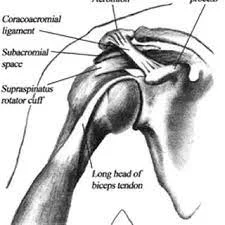
Is this the true cause of impingement?
Research no longer strongly supports these two theories. We now know that the size of the subacromial space does not closely match how much shoulder pain people have. Instead, research points to changes in the rotator cuff tendons, and how well the rotator cuff (stabilising) muscles of the shoulder are coping with load, as a more likely source of the pain. For this reason, many clinicians now call it “rotator cuff related shoulder pain”.
This blog post aims to help you understand what is happening, why it is causing you pain and how to help treat it.
Symptoms of shoulder impingement
- Difficulty lying on the affected side
- Pain around the front or the side of the shoulder that may extend down the side of your arm
- Pain aggravated by overhead or behind back movements, reaching and lifting activities
Why does shoulder impingement happen?
The exact cause is unknown and some shoulder pain can come on gradually with no clear cause. However, factors such as a sudden increase in training load, poor throwing technique, repetitive overhead movements/sports and age can be associated with the onset of shoulder impingement type symptoms. Activities at home that are out of the ordinary can also spark the onset of pain.
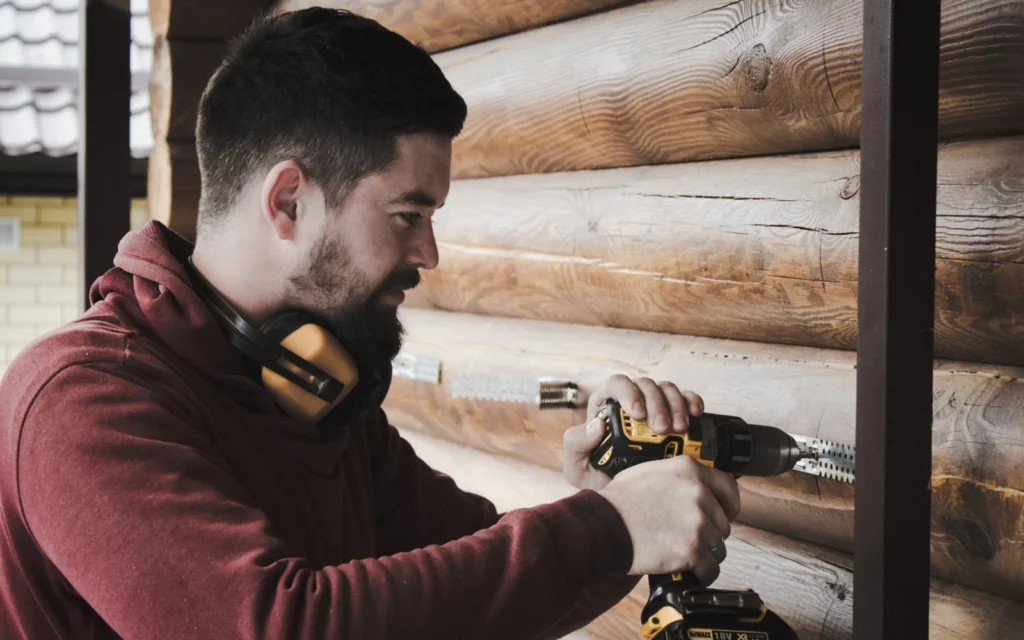
Examples include:
- Painting
- New hobbies
- A change in career that requires arm movements above shoulder height
- Overuse from work activities such as hairdressing and some trades
The shoulder is a very mobile joint, with a very large range of motion compared to other joints in the body. This means that the ligaments and joint capsule (that keep the shoulder in the joint) need extra support, which is provided by the muscles surrounding the shoulder. These muscles are called the rotator cuff, and they have an important role in stabilising the shoulder joint. They do this by drawing the ball of the shoulder into the socket and keeping it centred as you move. If the rotator cuff is not working well (muscle weakness or a tendon tear), the ball is not held as steadily and this can change how the shoulder moves. Over time this can lead to tendon changes (tendinopathy) in response to repeated stresses/compressive forces.
Treatment for shoulder impingement
Shoulder impingement generally responds well to conservative management such as targeted exercises and physiotherapy. In the early stages of your recovery, activity modifications may be required, to help you manage your shoulder pain on a day-to-day basis. Physiotherapy treatment for shoulder impingement also includes:
- Progressively strengthening the rotator cuff muscles
- Manual (hands on) physiotherapy to help reduce pain and improve shoulder range of movement
Arthroscopy and subacromial decompression surgeries have been performed to increase the subacromial space and ease a person’s symptoms. However, a large trial published in 2018 found that decompression surgery gave no meaningful benefit over placebo (sham) surgery. For this reason, exercise-based physiotherapy is usually recommended as the first option, before a surgical review is considered. You can read more on our shoulder pain page.
Disclaimer
Please note: the above exercise and information is general in nature. We recommend seeking individual advice before commencing any new exercises.