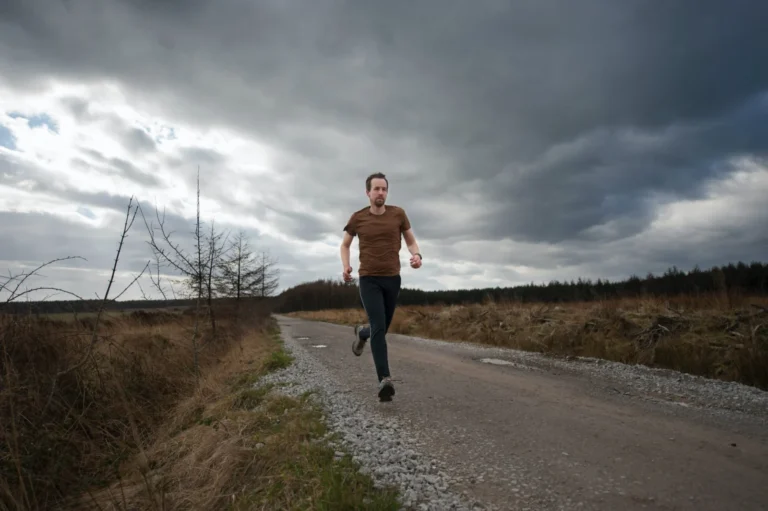
Some sports injuries are easy to miss because they cause only mild pain, or none at first. Ongoing soreness, swelling, stiffness or pins and needles after sport are signs worth getting checked by a physiotherapist.
Playing sport is exciting. The thrill of the chase, the intensity of focus, the glory of a win. But with the heightened stakes comes heightened risk of injury.
While injuries that occur while playing sport are often obvious, like a tumble on a field or a pulled muscle on a court, it’s the stealthier injuries we need to look out for. These are the less dramatic signs of injury, the twinges that may not show up until well after the final whistle.
You might dismiss these less dramatic sporting injuries because they hurt less, or even not at all, however it’s important to listen to what your body is telling you.
Perhaps you’re wondering, how does physiotherapy help in these situations? As physios, we want to empower you to listen to your body and importantly understand and identify the commonly missed signs of injury.
If you need support in your recovery from injury after surgery, we can help with that too.
Once we’ve identified the problem, we will work with you to help you get back to good health and back out on the field.
Have you missed the signs?
Whether you play sport regularly as part of a team, or are more partial to a solo run, keeping fit isn’t just about doing the activity. It’s also about monitoring how your muscles and bones are feeling post exercise, and keeping a close eye out for commonly missed signs of injury. Keeping your body strong and looking after small injuries early can help you keep playing the sport you love for years to come.
No one knows your body as well as you do, and everyone’s signs of injury are different. But if you are experiencing any of the following, it may be a sign of an ongoing injury, and a physio can help identify the root of the issue.
Below are some of the most commonly missed signs of injury:
Ongoing pain
Muscle soreness is a normal after-effect of a hard workout or game, and it often peaks a day or two later. But if your soreness is sharp, gets worse instead of better, lasts longer than a few days, or you have ongoing tenderness around your joints, you may have injured yourself.
Swelling
Your body responds to injury by sending white blood cells to protect the affected area. If you have an area that is swollen for a prolonged period, listen to your body and get it checked out.
Limited movement
If you notice that you’re not able to move as freely with some parts of your body, either after an injury or without explanation, it is unlikely that this problem will settle on its own. It’s best to visit us to see how physiotherapy can help.
Numbness or tingling sensations
Otherwise known as pins and needles, if you unexpectedly have this feeling in any part of your body it could be a sign of injury and shouldn’t be ignored. If numbness or weakness comes on suddenly, see your GP or call 000 straight away.
How does physiotherapy help?
Ideally, an injury should be treated as soon as possible after it’s happened. But as physiotherapists we can always help you with your recovery from an injury that you may have missed, as well as with your recovery of injuries after surgery.
At Physionorth we offer sports physiotherapy, and our physios understand how important it is to get you back to sport safely and sustainably.
If you have any of the above signs of injury, we will work with you on a tailored exercise plan that takes into account your lifestyle and health goals. If you run, our page on running injuries covers some of the most common problems we see.
We’ll provide you with guidance on when it is best to return to your chosen sport, as well as ongoing support to help lower your risk of future injuries.
If you need support in your recovery of injury after surgery, we will guide you through your rehabilitation and build a pre- and post-surgery exercise plan that aligns with your goals and what your body needs.
*All information is general in nature and is not intended to be a substitute for professional medical advice. Physionorth can consult with you to confirm if this advice is right for you.