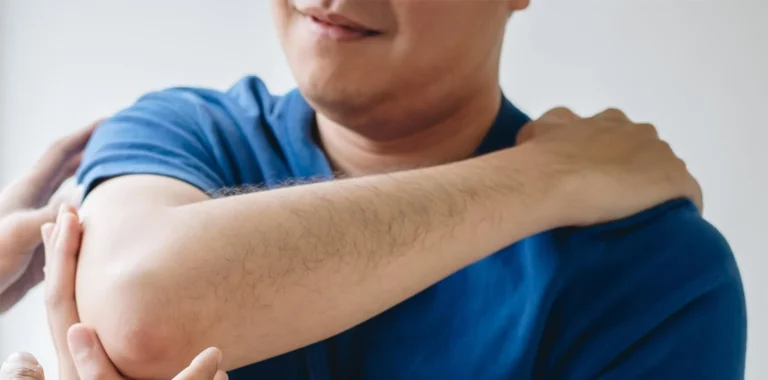
After orthopaedic surgery, physiotherapy helps you get moving again by easing pain and swelling, rebuilding range of motion, strength and balance, and lowering your risk of some complications. When to start depends on your surgeon’s advice, but for many people it begins within days of the operation.
As you prepare for your orthopaedic surgery, remember you’re not alone in your journey for healing. While surgery may be an important first step, it’s just one part of the puzzle. Your journey extends beyond the operating room, and the compassionate care you’ll receive during rehabilitation with a physiotherapist is an essential piece in your post-operative recovery. We’re here to support you every step of the way.
After your surgery, working with a physiotherapist has several goals. It’s not just about reducing pain. The aim is to get you moving again. Post-surgery rehab supports you in rebuilding your balance, strength, and flexibility. Additionally, your physiotherapist aims to help you reduce your risk of developing certain complications.
At Physionorth, our physiotherapists collaborate with you and your healthcare team to create a personalised rehabilitation program tailored to your specific needs and goals.
Here we discuss orthopaedic surgery and how post-operative rehabilitation with a physiotherapist may support your recovery.
What is orthopaedic surgery?
Orthopaedic surgery includes procedures performed on your musculoskeletal system, which comprises your bones, joints, muscles, ligaments, nerves and tendons.
This system is responsible for every move you make, from walking to getting dressed, playing sports, dancing and everything in between. Essentially, it’s involved in almost everything you do. If there’s an issue with your musculoskeletal system, it can impact how well you can move and carry out everyday tasks.
You might need orthopaedic surgery because of an injury or trauma such as a fracture, dislocation, or ligament tear. You may need it due to a medical condition or degenerative diseases like a tumour or arthritis.
Here are a few examples of common orthopaedic operations:
- Spinal surgery
- Replacements of joints like your hip, knee or shoulder
- Knee arthroscopies
- Joint reconstructions
- Shoulder repairs
Following your surgery, you’ll begin rehabilitation, which will be specifically tailored to you and your post-operative needs. If you had back surgery, your rehabilitation might concentrate on improving your posture to protect your spine. If the surgery was on your hip, the focus might be on mobilisation techniques to assist you in walking with your newly operated joint.
How could physiotherapy help your recovery?
1. Restore your flexibility and range of motion
Following your procedure, you may notice some swelling, stiffness, or soreness, which might, understandably, limit your movement. This is common, but while keeping your joint still may ease pain for a while, too little movement can slow your recovery in the long run.
By restoring your range of motion and flexibility after surgery, your physiotherapist aims to help you manage pain and recover your mobility as much as possible.
Your post-surgical physiotherapy care may include measures aimed at reducing pain and swelling. These could include ice packs, compression bandages or elevation of the affected limb. Your treatment may also include tailored gentle exercises and stretches to help you relieve tightness and regain movement while reducing your risk of injury.
2. Help your stability and coordination
Changes in your typical movement patterns following surgery may impact your coordination and sense of stability. Your post-surgery physiotherapy addresses this by including interventions to improve balance and coordination to reduce fall risk.
This may involve exercises to improve your muscle control and retrain your movement. Balance practice may also be included, helping you rebuild your stability gradually and safely.
3. Reduce your risk of complications
Your post-operative rehab extends far beyond immediate healing. It also aims to reduce your risk of problems in the future and help you get the most out of your surgery.
For example, complications, such as the development of scar tissue or adhesions, can arise after surgery, potentially causing pain and hindering your recovery. Your physiotherapist may use hands-on treatment and exercise to help keep the area moving and work towards your desired range of motion.
Muscle atrophy is another potential complication following orthopaedic surgery. Your physiotherapist understands which muscles may be at risk following your surgery and will provide an exercise program to help protect and strengthen these muscles.
Also, changes to your posture during recovery could lead to pain in other areas, particularly if you inadvertently favour one side. For instance, while recovering from a right knee replacement, you might unintentionally shift more weight onto your left leg, potentially causing unnecessary strain on the muscles and joints on that side. Your physiotherapist continually assesses your movement and posture, giving you strategies to help reduce the risk of complications.
While it’s not always possible to completely avoid complications, your physiotherapist aims to minimise and manage the associated risks.
4. Support your physical and emotional wellbeing
Your healing process isn’t just physical. For many who undergo surgery, the journey involves not only physical adjustments but also psychological effects. It’s entirely normal to encounter a mix of emotions following your procedure.
This is why post-surgical physiotherapy at Physionorth adopts a comprehensive approach to your recovery. Our goal is to provide physiotherapy care in a supportive and empathetic environment, fostering comfort and encouragement throughout your post-operative rehab.
How soon after my operation should I start physiotherapy?
The timing for starting rehabilitation after your surgery depends on the recommendations of your surgeon, your individual circumstances, and the nature of the surgery you’ve undergone.
For many operations, starting physiotherapy soon after surgery helps your recovery. For many, this involves first meeting with their physiotherapist in the days immediately following surgery. However, for others, rest may be advised in the initial post-operative period, with a focus on rehabilitation coming after.
How might Physionorth help?
At Physionorth, we recognise that your needs are unique, so we tailor personalised rehabilitation programs. We aim to support you to return to the activities you love. Our physiotherapists can also work alongside our exercise physiologists when you are ready to build up your strength and fitness.
You can read more about our rehabilitation services.
Disclaimer: All information is general in nature and is not intended to be a substitute for professional medical advice. Physionorth can consult with you to confirm if this advice is right for you.
References
Australian Orthopaedic Association. (n.d.). What Does Orthopaedics Involve? https://aoa.org.au/for-patients/celebrating-orthopaedics/what-does-orthopaedics-involve
Australian Physiotherapy Association. (2023). Choose Physio for Pre and Post Surgery. https://choose.physio/your-wellbeing/pre-and-post-surgery
Physio-Pedia. (n.d.). Benefits of Rehabilitation. www.physio-pedia.com/Benefits_of_Rehabilitation
Physio-Pedia. (n.d.). Total Hip Replacement. www.physio-pedia.com/Total_Hip_Replacement
Very Well Health. (2022). Exercise Program After Lumbar Laminectomy and Discectomy Surgery. www.verywellhealth.com/beginning-rehab-after-low-back-surgery-2696215