Balance often gets harder with age, injury or some health conditions, and poor balance raises your risk of a fall. The good news is that balance can be trained, and regular balance and strength exercises can help lower your falls risk.
Why did the accountant fall? Because he lost his balance!
As you get older, you may find you’re starting to discover new aches, pains, stiffness and feel slightly slower and weaker in general. This can make day to day tasks more challenging than they used to be. Physiotherapists can’t stop the process of ageing, but they do play a vital role in keeping you active for longer and lowering your risk of injury.
Are you feeling stiffer or weaker with your movements than you used to? Do you have a slower reaction time? Do you have a pre-existing balance deficit due to a prior health condition? These things increase your risk of having a fall around the home or in the community.
It isn’t just age that can increase your chances of injury. Health conditions that may impair your sensation, mobility or balance such as diabetes, multiple sclerosis, Parkinson’s disease and stroke, can also increase your risk.
Following a fall, many people find themselves becoming inactive due to pain or avoiding activities out of fear they may fall again. Inactivity following a fall increases your chances of further health complications. In many cases the “use it or lose it” phrase comes into play, in which a lack of mobility can lead to muscle wasting and further increase your chances of injury. Furthermore, bed rest can lead to respiratory and cardiac decline, in addition to increasing your risk of skin lesions and infections.
Increasing your balance is something that takes work. Your physio can work with you to develop both your static (not moving) and dynamic (while moving) balance. Static balance is the balance of your body when it is still, for example standing on one leg.
Two exercises to try at home
Here are two exercises you can try to work on your static balance.
Balance: Feet Together
Start in a standing position with your feet together and a stable chair or table beside you for safety and support as required.
If you have any pre-existing conditions, see your physiotherapist before completing this exercise.
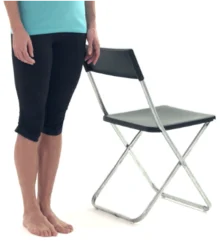
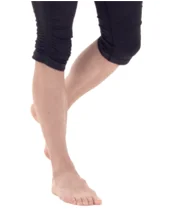
Balance: Single Leg Standing
Start in a standing position with your hands resting lightly on a firm surface, such as a chair, table, or kitchen bench.
If you have any pre-existing conditions, see your physiotherapist before completing this exercise.
Balance on one leg for 20 seconds. Keep your gaze horizontal.
If you were able to do this easily, you can try with your hands hovering above the firm surface, so it is there for support as required, but your balance is challenged more. Do not rest your raised leg on the standing leg.
For more exercise ideas to improve your balance, see your physiotherapist or join one of our small balance exercise classes, which focus on strength, balance and confidence.
Take home messages
- Impaired balance increases your risk of a fall
- Physiotherapy can assist you by
- Providing strategies to maintain strength and conditioning to decrease your falls risk
- Identifying what is affecting your balance
- Developing an exercise program that suits you
- Increasing your muscle strength
- Providing you with strategies to avoid falls
- Helping you work towards your mobility goals