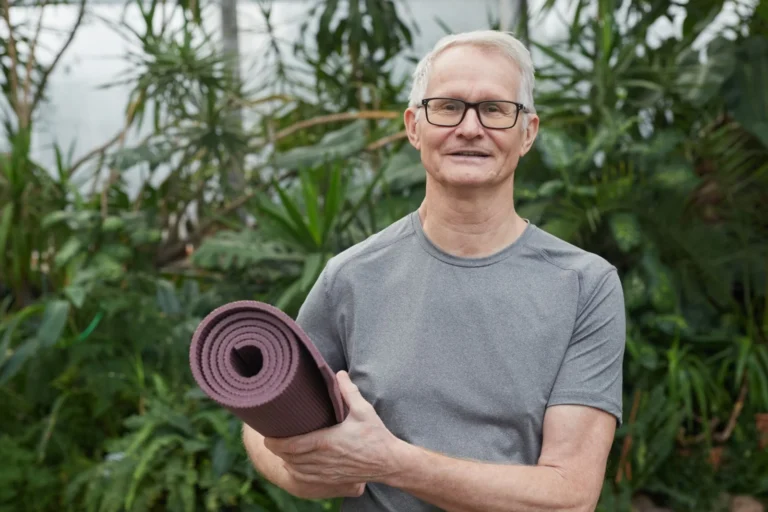
Parkinson’s disease is a progressive brain condition, caused by the loss of cells that make the chemical messenger dopamine, which leads to slowness, stiffness, tremor and balance problems as well as non-movement symptoms. Medication helps manage symptoms, and regular exercise designed for Parkinson’s, started soon after diagnosis, can help you keep moving well and may help slow how quickly symptoms progress.
Parkinson’s disease is a progressive condition that affects the connection between the brain and the body that controls movement, resulting in altered movement. The exact cause of Parkinson’s disease is still not well understood. Research has shown that a loss of the neurotransmitter dopamine in an area of the brain called the basal ganglia causes a variety of motor (movement) and non-motor symptoms. Dopamine levels continue to fall as the condition progresses.
Signs and symptoms
Parkinson’s disease affects every individual differently, but these are the most common symptoms:
- Slowness of movement (bradykinesia)
- Small amplitude movements
- Blank/mask-like facial appearance
- Trembling of the hands or limbs at rest
- Stiffness of the body (rigidity)
- Reduced balance
- Mood or memory changes
- Anxiety/depression/lack of motivation
- Bladder or bowel changes
- Soft-spoken voice/communication issues
Parkinson’s disease is most often diagnosed in people over 60, although some people are diagnosed younger. By the time of diagnosis, many of the dopamine-producing cells in the brain have already been lost. There is growing evidence that exercise may help people with Parkinson’s keep their movement and function.
Medication for Parkinson’s disease
A neurologist may prescribe medication that helps replace or boost dopamine in the brain. Medication can help people manage their symptoms and move better; however, it does not stop the disease from progressing.
Medication plus exercise
Exercise helps to promote neuroplasticity (a process of creating and learning new movement connections in the brain). If one movement pathway is not working well, the brain can often learn to use another one.
Exercise specific to individuals with Parkinson’s disease focuses on large amplitude, big movements. The exercises are complex, fun and new, which challenges the brain and promotes learning.
Research also suggests exercise may have a protective effect on the brain, which could influence how the condition progresses long-term.
When should I start exercise?
It is a good idea to start Parkinson’s-specific exercise soon after your diagnosis, as it may help you stay stronger, steadier and more active for longer. Our exercise physiologists can tailor a program for you, and our small group exercise classes, including All About Balance, can help you keep moving with support. Classes have a maximum of 8 people and start with a $50 class assessment.