The handstand is a fundamental position within most dance and gymnastics acrobatic skills. It is extremely important that this basic shape is mastered before progressing on to more challenging skills such as walkovers and handsprings.
If there is a flaw with our handstand technique or biomechanics, then we are more likely to develop injuries when completing these skills.
“The Ideal Posture”
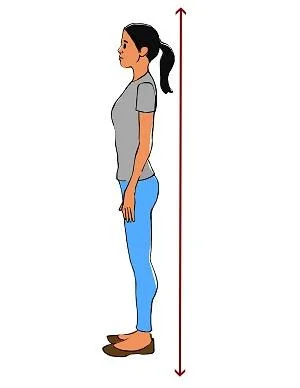
When asked “what is the ideal posture?” most people can answer this well. It is where all our joints are stacked evenly on top of one another. If we were to drop a line down your side, ideally it should fall through the centre of your body.
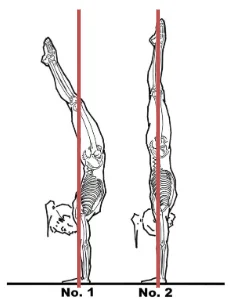
“The Ideal Handstand Posture”
Now, flip yourself upside down and the exact same rules apply. In an “ideal handstand” our joints should be stacked nicely on top of one another. This helps spread the load evenly when completing our tumbles.
If your handstand is not “stacked”, then you are more likely to be putting an increased load through your lower back and wrists. Over time, and when completing handstand skills under impact (e.g. tumbling), this can increase your risk of developing pain in these areas.
Physiotherapists will often look at your posture in standing, but it is just as important for dancers and gymnasts to look at your handstand posture. Quite often you spend more time on your hands than your feet! By addressing this, we are more likely to treat the cause of the issue rather than just putting a band-aid over your symptoms. This can mean less time sidelined by pain and more time doing what you love. Our sports physiotherapists regularly assess dancers and gymnasts.
*All information is general in nature and is not intended to be a substitute for professional medical advice. Physionorth can consult with you to confirm if this advice is right for you.