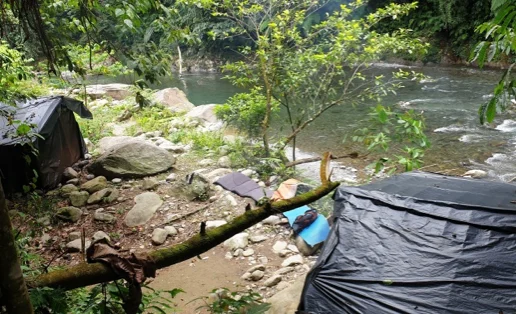
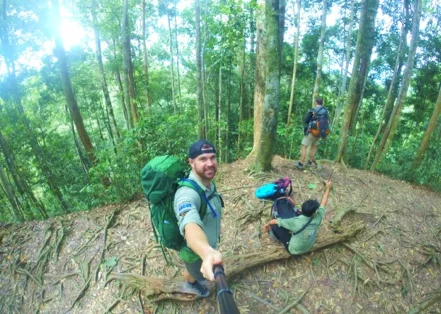
One of our team recently returned home after spending a week trekking in the Sumatran jungle and has come up with 5 tips for preventing pains and getting the most out of your trek or hike.
1. Planning
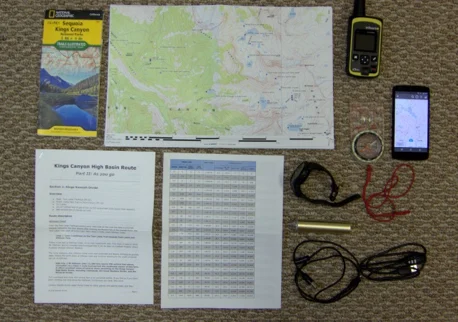
This is probably the most important tip and it’s a bit more than common sense. It’s about being smart and a bit of trial and error. You wouldn’t take a 15kg pack on a day hike would you. Know the types of climate you will be in, the temperatures during day and night, the distances and difficulties of the planned route. Having an idea of all the gear you need is the first step. Many of us carry more gear than we need. The lighter the better. This is where making a list is paramount and starting with the priorities like clothes, water, first aid, cooking gear, knife etc. You can then highlight aspects that aren’t too important and see where you can cut down.
2. Packing
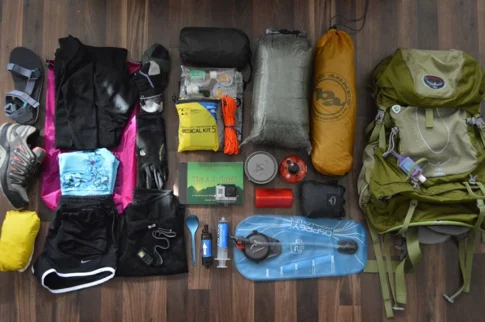
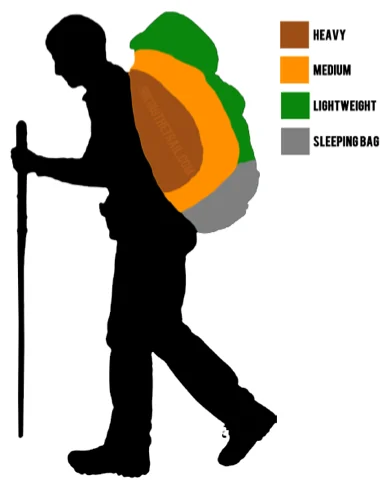
Yes, there is an art to packing. This is when all those years playing Tetris pay off. Some of the rules should be loosely based around the following:
- Heavier items in the middle of your pack (closer to your body) / lighter items on the outside
- Items you use the most in storage areas or pockets that are easy to access (e.g. food, water, camera)
- Have your own system (know where everything is). Do you have clothes in individual storage bags? Can you access your windbreaker jacket if it gets cold? Which pocket did you put the multi tool, insect repellent and sunscreen in?
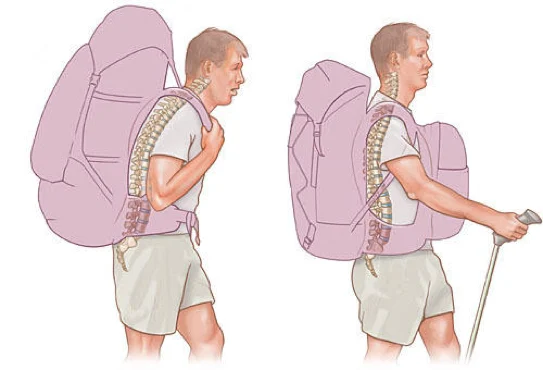
- Take advantage of the straps, accessories that your pack comes with (tie shoes/ sleeping mat up on the outside, put trekking poles in the holder) and consider carrying an extra backpack in the front to counterbalance the load.
3. Knowing
Knowing your gear is probably the second most important behind planning. Like most sports and hobbies some people can go way over the top with buying the most expensive product or needing to have the most up to date gadget to take with them. That being said, there are certain things not to skimp on, such as a good quality trekking pack, hiking shoes and mattress. Know the gear you have because you don’t want to get under way with your trip and spend hours and hours figuring out how to use it. Examples of this include:
- Cameras: know the basic settings, how to change batteries etc.
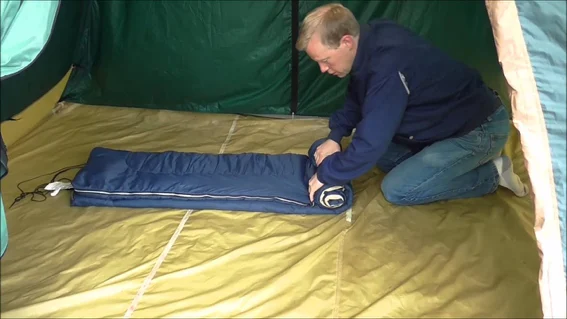
- Can you roll your sleeping bag/ mattress and clothes effectively? Can you put your tent up?
- Do you know how to use the gas cooker and GPS?
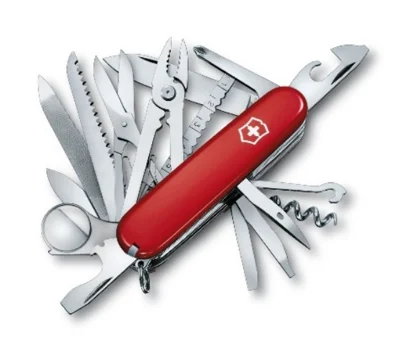
- Do you know all the bits and pieces on your multi tool?
- Do you know the weather rating for your rain jacket, tent and sleeping bag? What about the UV rating for your shirts?
- Do you know how to safely tighten/ loosen your pack? Can you safely put it on and take it off?
4. Using
Yes, it’s that simple: use the gear you have. Don’t think she’ll be right. Use your gear so you don’t get home and say, “That would have come in handy”. Here are some of the things people forget to use:
- Compression/ recovery garments
- Trekking poles
- Heat rub or liniment
- Small massage ball
- Toothbrush/ paste over mouth wash
- Body wash/ shampoo/ conditioner
- Moisturiser
- Water purification tablets
- Insect repellent and sunscreen
5. Adjusting
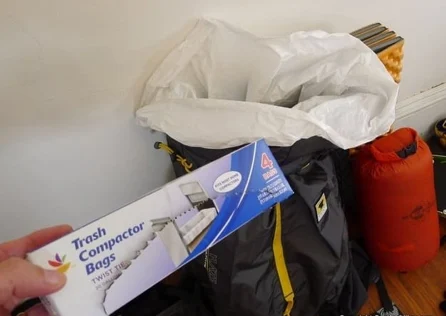
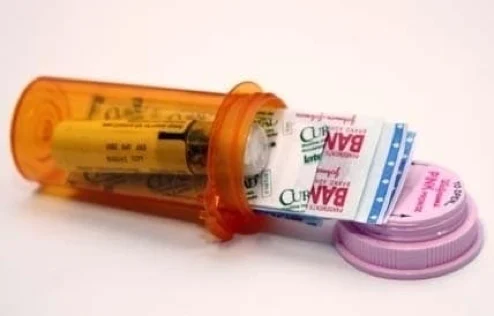
After a trek make a list of things you used, didn’t use and things you wish you had. Talk to others about tips for making your experience better and how to best cut down on items and weight. Take advantage of all the space in your shoes for smaller items, pack a small medicines kit with only a small amount of medications, take batteries out of the packaging, fully waterproof your bag etc.
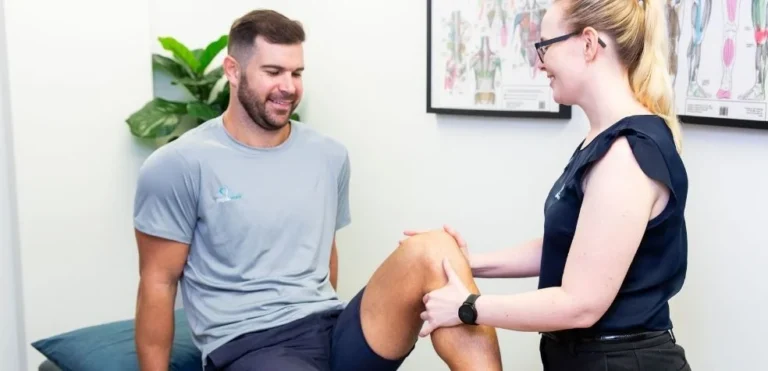
If a sore knee, ankle or back is holding you back from the trails, our physiotherapists can assess the problem and our exercise physiologists can build a strength program to get you ready for your next trek. Read more about knee pain if downhill sections are a struggle.
If a sore knee, ankle or back is holding you back from the trails, our physiotherapists can assess the problem and our exercise physiologists can build a strength program to get you ready for your next trek. Read more about knee pain if downhill sections are a struggle.