As we journey through life, our bodies naturally evolve and change. These changes may make performing everyday tasks or enjoying certain physical activities challenging for some.
That’s where physiotherapy, exercise physiology and functional movement exercise come in.
When we think about exercise, it’s easy to picture pumping iron or getting your heart racing with cardio. But there’s a whole other world to exercise.
In physiotherapy and exercise physiology, functional exercises have a deeper, more meaningful purpose. Functional movements aren’t just about individual muscles or systems. Instead, these exercises focus on your real-life day-to-day tasks and movements.
They’re crafted with care, aiming to help make your daily movements – like reaching for the top shelf or bending down to tie your shoes – a little easier.
At Physionorth, we’re passionate about helping people of all ages and all stages of life to do the things they love. Our physiotherapists work with you to create a functional movement exercise program tailored to your unique needs. Also, our small group ‘Let’s Get Functional’ classes offer functional movement training for anyone who wants to improve in challenging daily activities or who’d like guidance on fitness and strength.
What is functional movement?
Have you heard of ‘blue zones’? These regions are known for having some of the longest-living people in the world. Interestingly, many residents in these blue zones aren’t gym enthusiasts or hardcore workout fans. Instead, a key part of their long-lasting well-being may lie in their lifestyle – one rich in constant, natural movement. Activities like gardening, walking to their destinations, kneading their bread, and using hand tools instead of electric ones are part of their daily routine.
This is what we call functional movement – a movement that’s part of everyday life.
Picture yourself getting out of bed, hanging up the laundry, and carrying groceries – these functional movements make up your daily routine.
Functional movement might look different to you as you progress through life. As a teen, you may have needed to dart around a netball opponent or outjump others in basketball. In your 20s, your goal might have been handling your heavy backpack while travelling. During your 30s, perhaps your movement needs to shift to keep up with your little ones. And in your later years, your aims might turn towards maintaining mobility so that you can kneel to tend to your garden.
This evolution is why working with a physiotherapist is so valuable. Your physiotherapist can tailor your functional movement training to the goals that matter most to you.
Functional movement exercises aim to make everyday tasks easier and more comfortable by addressing your specific challenges. They mirror the movements you naturally do every day, including everything from bending and twisting to reaching and stretching. The aim? Improve your ability to perform your daily activities by building your strength, flexibility, coordination, balance and confidence.
How does it work?
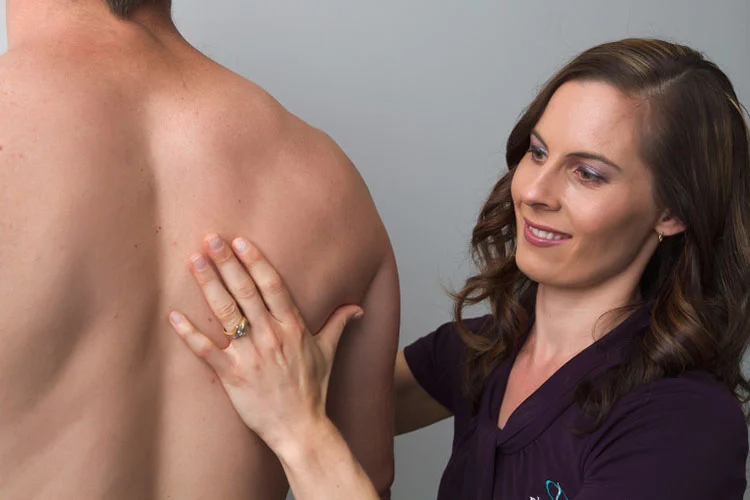
Before you start functional movement training, your physiotherapist will usually do a functional movement screen. Think of it like a check-up for how you move.
Your physiotherapist screens for any potential issues in your movement patterns that might lead to injury or could be improved. During this functional movement screening, we’ll look for things like imbalances in your mobility and stability, inefficient movement patterns and muscle weakness.
These functional movement assessment results are used to tailor a customised plan; your physiotherapist will consider your physical results alongside your individual needs and functional goals.
Your plan aims to support your independence, promote an active lifestyle, and give you practical techniques to help you manage life’s challenges. It may also include steps to help reduce future limitations.
Your functional movement training might focus on the following:
- Enhancing flexibility – to improve your range of motion for performing daily tasks.
- Supporting balance – to improve your stability and coordination, aiming to reduce your risk of falls. Our All About Balance classes focus on this too.
- Joint stability – aiming to make your movement smoother.
- Posture – to reduce strain on your body and improve your overall function.
- Improving movement patterns – to help change inefficient movement patterns.
- Improving your mind-body connection – to help you recognise how your physical and mental well-being are linked, aiming to support your quality of life.
How might Physionorth help?
At Physionorth, we’re passionate about helping you improve your functional movement, whether in one-on-one sessions or in our small group “Let’s Get Functional” classes. Our classes have a maximum of 8 people and run for 45 minutes, and you start with a class assessment ($50) so we can tailor the exercises to you. You can see all our options on our exercise classes page.
Under the guidance of our physiotherapists, we aim to provide a supportive environment where you can work towards your personal goals, whether it’s returning to your daily activities, improving your mobility, or improving your overall physical well-being.
Disclaimer
All information is general and is not intended to be a substitute for professional medical advice. Physionorth can consult with you regarding your individual health needs.
References
- Herbert, C., House, M., Dietzman, R. et al. (2022). Blue Zones: Centenarian Modes of Physical Activity: A Scoping Review. Journal of Population Ageing. https://doi.org/10.1007/s12062-022-09396-0, [Retrieved 5th January 2024].
- PhysioPedia. (n.d.). Functional Movement Screen (FMS). https://www.physio-pedia.com/Functional_Movement_Screen_(FMS), [Accessed 5th January 2024].