Yes, physiotherapy can help sciatica. A physio can work out what is irritating the nerve, help you ease the pain and keep moving, and give you exercises that can lower the chance of future flare-ups.
Sciatica is common, and once you know what to look for and when to seek help, it is usually manageable. This guide explains what sciatica is, the warning signs to watch for, common triggers and how we can help. You can also read more on our sciatica page.
Sciatica 101
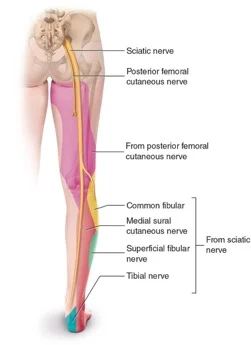
The condition is named after the sciatic nerve, which is the largest nerve in your body. Its roots leave the lower spine, join together in the buttock and run down the back of each leg.
Sciatica happens when this nerve is irritated, compressed or inflamed. It can feel like a burning or stabbing pain, a constant dull ache or a pulsing pain, and it can range from irritating to severe. Common causes include:
- A bulging or herniated disc in the lower back
- Inflammation around the lower back
- Spinal stenosis, a narrowing of the canal the nerve passes through
- Tightness or irritation of the piriformis and gluteal muscles in the buttock
- Injury
When the buttock is the problem: piriformis
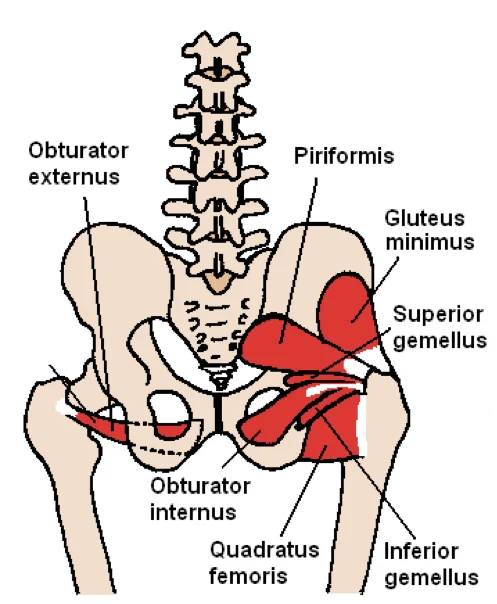
The piriformis is a muscle deep in the back of the hip. It runs from the sacrum to the top of the thigh bone and helps turn the leg out. The sciatic nerve runs very close to it, and in some people it passes through the muscle. When the piriformis and nearby muscles are irritated, you can get leg pain and nerve symptoms that come from the buttock rather than the low back. This is often called piriformis syndrome or deep gluteal syndrome.
Common reasons include sitting on a wallet in your back pocket, sitting on hard surfaces, or overloading the hip muscles, for example by starting a new fitness class or increasing your running distance too quickly. Our hip pain physiotherapy can help work out whether this is part of your problem.
Is it really sciatica?
Not all pain down the back of the leg is sciatica. Other conditions can feel similar, including:
- Referred pain from the joints in the lower back
- Pain from the sacroiliac joint (where the base of the spine joins the pelvis)
- Referred pain from the hip
- Hamstring or lower leg muscle tightness
This is why a proper assessment matters: the right treatment depends on the cause.
Signs of sciatica
Sciatica symptoms often include pain in your lower back, buttock and leg. The severity can vary a lot, and the good news is that symptoms usually improve over time with the right care.
Common symptoms include:
- Aching pain in the buttock, hamstring and calf
- Pain in the ankle and foot
- Pins and needles or tingling in the leg
- Pain when lifting things (where there wasn’t pain before)
- Weaker muscles in the leg or foot
When to see a doctor straight away
Some symptoms need urgent medical attention. See a doctor or go to an emergency department immediately if you have:
- Sudden, severe pain in the legs or lower back
- Numbness or muscle weakness in one or both legs that is getting worse
- Ongoing pain after a serious incident, for example a car accident
- Numbness around your bottom or genitals, or trouble controlling your bladder or bowel
Sciatica triggers, and how to avoid them
Triggers vary from person to person, but these common activities can bring on a flare-up:
- Prolonged sitting: if you work at a computer, take regular breaks, go for a lunchtime walk and use a standing desk for part of the day if you can. Our guide to setting up your workstation can help.
- Bending over: bending and lifting, especially with a twist, often aggravates symptoms.
- Heavy or twisting work: if your job involves twisting your back or carrying heavy loads, follow safe lifting practices and don’t lift more than you can comfortably manage.
- Long drives: like sitting at a desk, long periods behind the wheel can stir up sciatica. Take regular breaks and, if possible, share the driving.
- Weight gain: extra weight puts more load on your spine. Eating a balanced diet and getting the recommended amount of physical activity can help.
Ways to manage sciatica
Some sciatica treatments you can do yourself, and some are better done with professional advice. This is where a physio can help.
- Keep moving gently: bed rest is not advised. Staying gently active, such as short walks, helps your recovery and stops your muscles getting weaker. Ease off activities that clearly make the pain worse, but try not to stop moving altogether.
- Pain relief: use over-the-counter pain relief, as advised by your pharmacist or GP.
- Heat or cold: a heat pack on the lower back, a cold pack or a warm bath may give short-term relief.
- Gentle movement in water: walking or moving in a pool can take load off sore areas.
- A TENS machine: ask a health professional how to use one safely.
- Massage: remedial massage to the lower back, buttock and legs may ease muscle tension.
- Strengthening exercises: your physio will give you exercises to support your back and hips. Sticking with your program can help reduce pain and lower the chance of it coming back.
- Stretching and mobility: gentle stretches for the hamstrings, back and buttock can help. Our small exercise classes may also suit you as part of your plan.
Gentle stretches to try
These general stretches often help people with sciatic pain. Do them gently. You should feel no pain while doing them, and seek help if they don’t ease your symptoms.
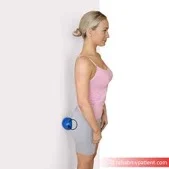
Piriformis and gluteal release with a tennis ball:
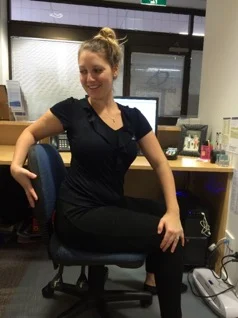
Thoracic (upper back) rotation:
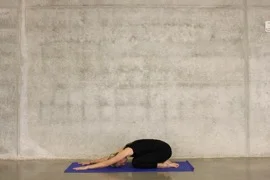
Child’s pose:
Everyone’s sciatica has a different cause, so there is no one-size-fits-all approach. A thorough assessment helps work out which stretches and exercises suit you.
*All information is general in nature and is not intended to be a substitute for professional medical advice. Physionorth can consult with you to confirm if this advice is right for you.