Blood flow restriction (BFRT) or kaatsu training has been around for some time in the rehabilitation setting and more recently in the fitness and bodybuilding setting. There has been a lot of research over the years looking at the benefits of BFRT for different conditions and goals. The research is still growing, and there is good evidence that it can help improve muscle size and strength during injury recovery.
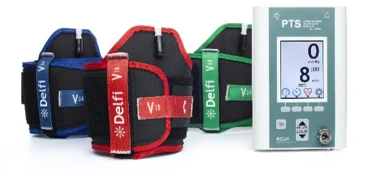
So, what is it?
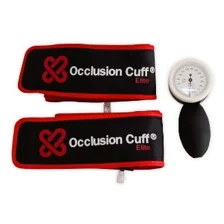
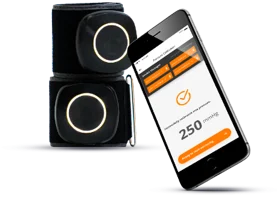
It is a pressure cuff, like a blood pressure cuff, that inflates and adds pressure to your arm or leg. The pressure is set and then the cuff is worn during exercise. Think of it as a very mild form of a tourniquet.
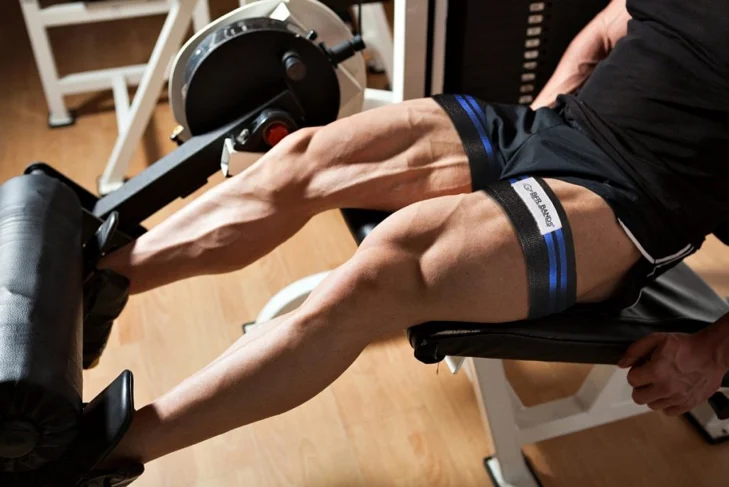
What’s the science behind it?
The whole idea of BFRT is self-explanatory, you decrease blood flow to a part of the body. The biggest question is why?
The simple answer is it makes the muscle work harder.
The working muscles require blood and oxygen to maintain contraction and movement. When we decrease these, by-products of exercise build up in the muscle more quickly and you feel that burning, fatiguing feeling sooner.
By creating a more challenging environment for a muscle, we can get the benefits of normal strength training, where muscles adapt, repair and get stronger and bigger. However, the twist is that the load does not need to be that heavy.
Most people know that you lift heavy weights to get stronger and bigger muscles.
So, what if you could get stronger and bigger only by lifting a small/light weight?
This is how the cuffs work: you only need a light weight (when using the cuffs) to produce a similar physiological change as lifting heavier weights.
Therefore, one of the greatest benefits of the cuffs are for those individuals who cannot lift heavy weights due to injury etc. or need to take some time away from lifting heavy weights but still want performance gains.
Okay, so who can benefit from it?
Our team has found that the following groups often respond well to BFRT:
- Individuals who have conditions such as knee osteoarthritis or knee injuries (meniscus, kneecap pain) that are made worse by or who have pain with high compressive load exercises (squatting, steps, walking, running etc.)
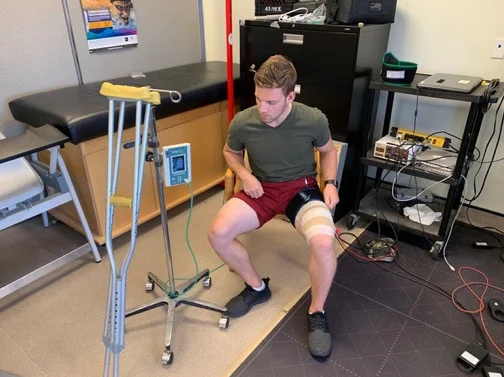
- Individuals that have lost muscle size/strength from an injury or surgery i.e. someone who has lost strength in their legs from previous back surgery, or ACL surgery or someone who has been in a cast/moon boot for a while and has lost muscle size
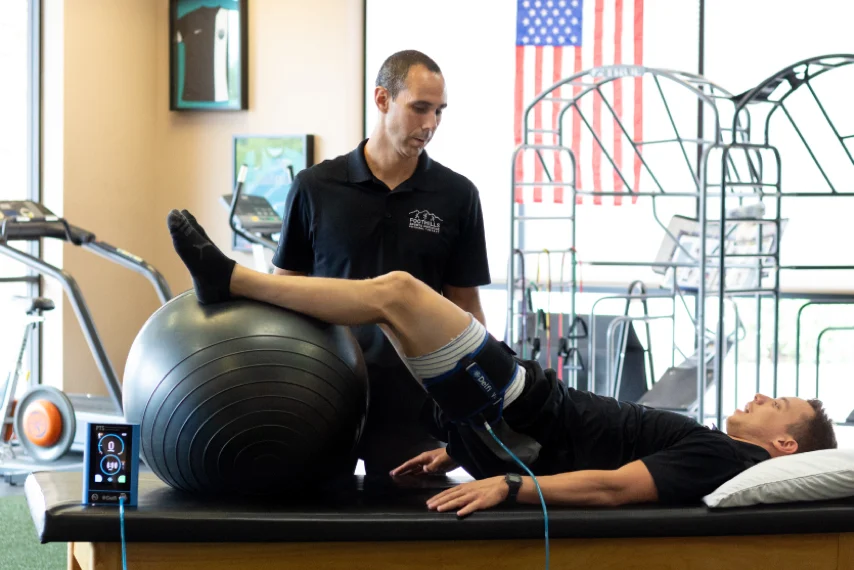
- Individuals who spend a lot of time lifting heavy weights and need a low-load/de-load period of exercise to take stress and strain off joints and tendons. These are typically athletes in sports like powerlifting, athletics, basketball, baseball, all football codes and many other sports that require athletes to complete heavy weight training

Blood flow restriction training is completed over a period of 6-12 weeks. It can be used on its own or as part of your current rehabilitation sessions with our physiotherapists or exercise physiologists.
We are pleased we can offer this device in Townsville and can see clients through a range of funding options, including GP chronic condition management plans, DVA, WorkCover and private health, as well as local and travelling athletes.
BFRT is not suitable for everyone. If you are interested in seeing if BFRT could work for you, an assessment will allow us to check for any risks of BFRT for you and devise an individual plan.