
Exercise physiology
One-on-one sessions and small classes with an accredited exercise physiologist, for long-term conditions, recovery and staying strong as you age.
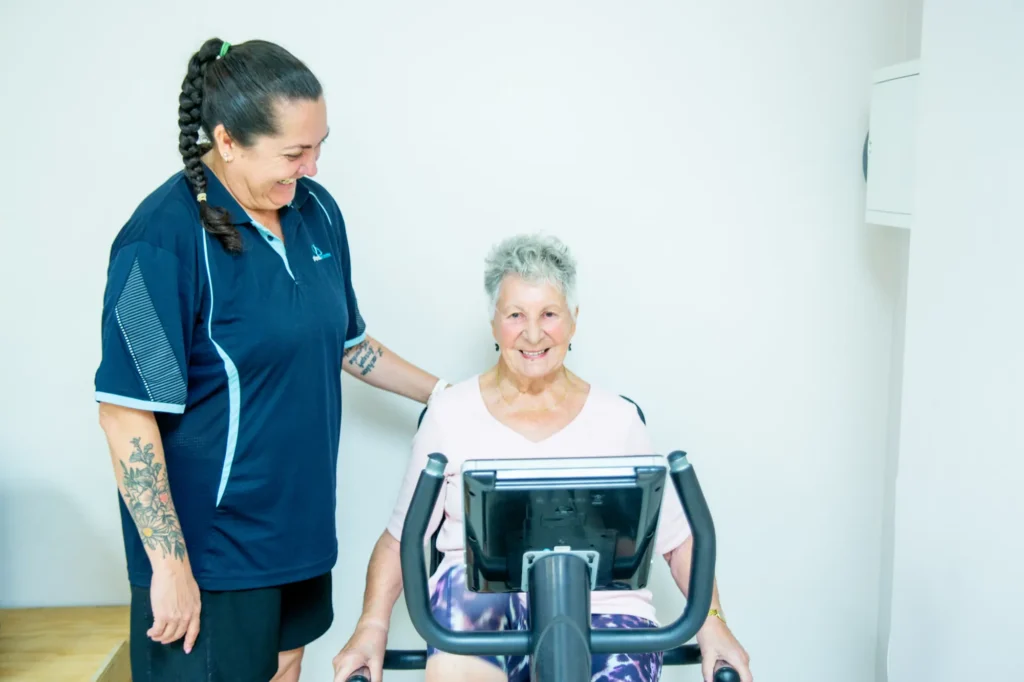
What is an exercise physiologist?
Accredited Exercise Physiologists (AEPs) are university-qualified allied health professionals who use exercise to help prevent, treat and manage health conditions. They are accredited by Exercise & Sports Science Australia (ESSA).
Your exercise physiologist works out which exercises suit your body and your goals, shows you how to do them safely, and adjusts the program as you progress. They can also help with the small lifestyle changes that make a big difference to pain, energy and fitness.
Who we help
Exercise physiology can help with a wide range of long-term health conditions.
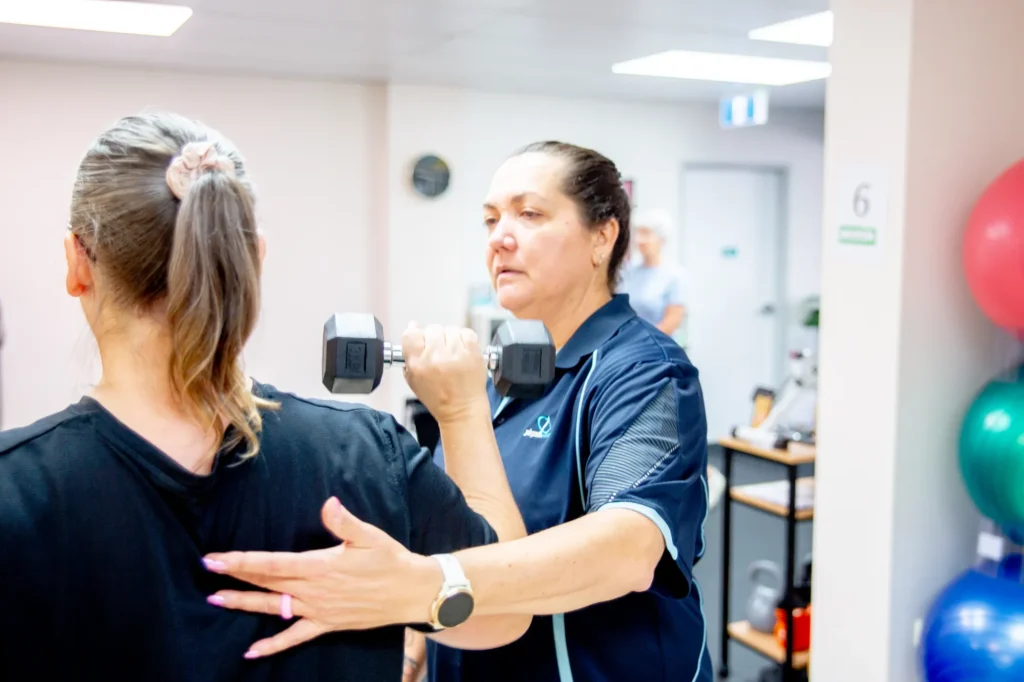
Muscles, bones and joints
Osteoarthritis and rheumatoid arthritis, back pain, tendon problems, fibromyalgia, osteoporosis, and before or after surgery.
Diabetes and metabolic health
Type 1, type 2 and gestational diabetes, high cholesterol, metabolic syndrome and weight management.
Heart and lungs
Recovery after a heart attack, heart failure, high blood pressure, asthma and COPD, alongside your medical team.
Neurological conditions
Parkinson's disease, multiple sclerosis, stroke recovery and spinal cord injury.
Cancer and fatigue
Exercise during and after cancer treatment, to help with tiredness, strength, balance and bone health.
Mental health
Regular exercise can help mood, sleep, stress, anxiety and depression, as part of your wider care.
Kidney conditions
Exercise to support strength, blood pressure, blood sugar and bone health with kidney disease.
Healthy ageing and falls
Strength and balance work to keep you steady on your feet and independent.
Sport and work
Strength and conditioning, injury prevention, and functional capacity evaluations for returning to work.

Physiotherapist or exercise physiologist?
Both are university-trained allied health professionals, and they work closely together here.
- A physiotherapist diagnoses and treats injuries and pain, and uses more hands-on treatment.
- An exercise physiologist specialises in exercise programs for long-term conditions, building fitness and strength, and staying active for life.
Many people see a physio first, then move to an exercise physiologist or a class as they improve. Not sure? Call reception and they will help you choose.
How it works
Assessment
We talk about your health, history and goals, and test your strength, fitness and movement.
Your program
A program designed for you, safe for your condition and realistic for your week.
Supervised sessions
One-to-one sessions in our clinic gym, with your program adjusted as you progress.
Keep going
Continue on your own, in a small class, or with regular check-ins.
Common questions
Do I need a referral?
No, unless you are using a Medicare care plan. Then you need a referral from your GP as part of your plan.
Can I claim exercise physiology on Medicare?
If your GP gives you a chronic condition management plan, Medicare helps pay for up to five allied health visits a year, which can include exercise physiology. How care plans work.
Can I claim on private health insurance?
Many funds cover exercise physiology on extras cover. Bring your card and reception will check.
What should I wear?
Comfortable clothes you can exercise in, closed shoes, and bring a water bottle.