
Father’s Day · $49 for a 60-minute remedial massage voucher · Ends 7 Sept Buy a voucher

Sports physiotherapy

Treatment and a return-to-sport plan for sprains, strains and overuse injuries, whatever your sport or level.
Keep playing, or get back to it

Sport is good for your heart, lungs, strength, mood and weight. It also puts real demands on the body, and some sports load the same area over and over, which is how we get names like tennis elbow and runner's knee.

Sports physiotherapy helps in two ways:

  • Prevention: a program that targets weak spots, old injury sites and the way you move, so you are ready for your sport.
  • Recovery: treatment and rehabilitation after an injury, and a plan for returning to sport at the right time.

You don't need to be an elite athlete. It is just as useful if you are getting fitter, training for an event or playing weekend sport.

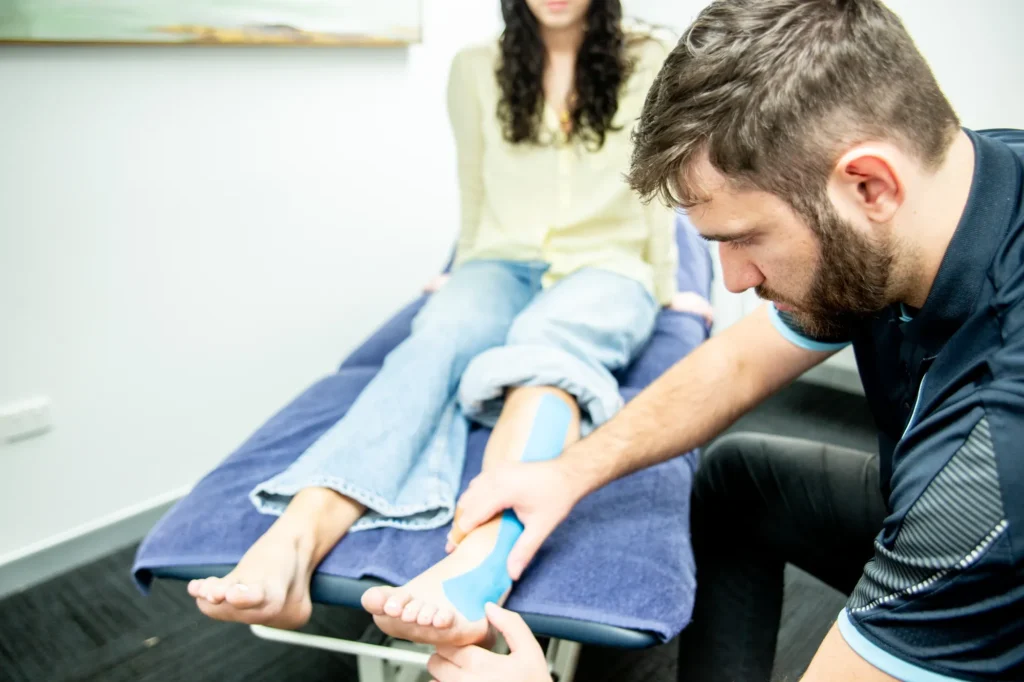
A physiotherapist taping a patient’s ankle
Taping an ankle after a sprain.

Injuries we see often

  • muscle and tendon strains, such as a pulled hamstring, groin strain or Achilles problem
  • sprained ligaments, most often a rolled ankle
  • knee injuries, including ACL tears
  • recovery after a fracture
  • back pain
  • plantar fasciitis (heel pain) and shin splints
  • concussion recovery, alongside your doctor

Sports physiotherapy at Physionorth

All physiotherapists are trained to treat sports injuries. Some of ours have extra training in sports and dance physiotherapy, and many of the team bring their own background in competitive sport such as gymnastics, dance and running.

We work out why the injury happened, treat it, and build you back up so you return to sport at the right time with less risk of it happening again.
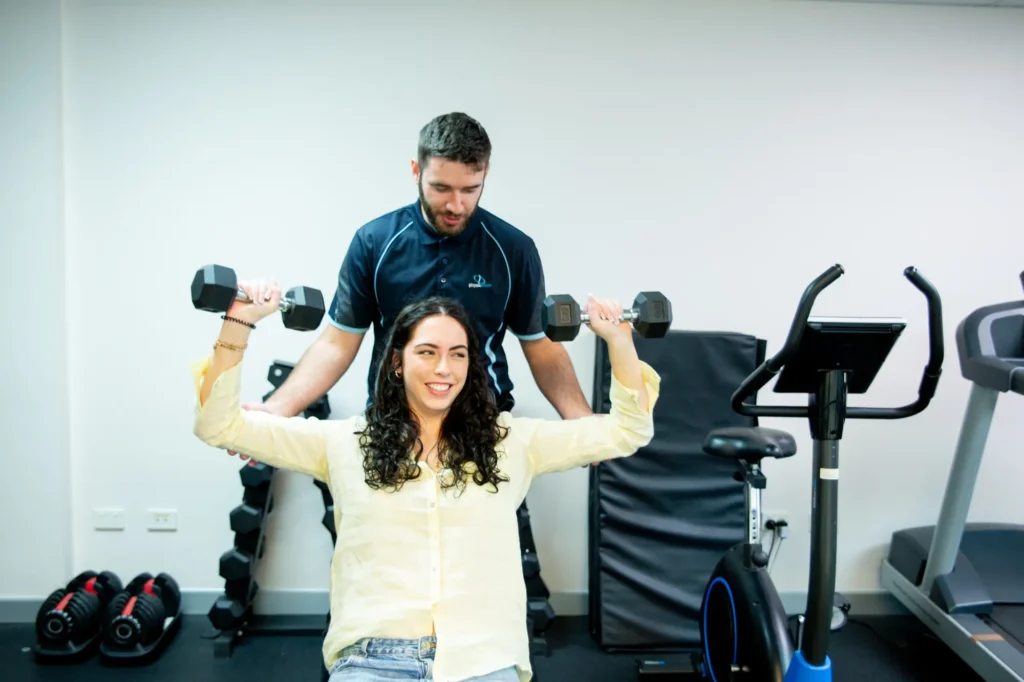
A physiotherapist supervising an overhead dumbbell exercise
Strength work in the clinic gym as part of a return-to-sport plan.

Our clinic gym means rehab doesn't stop at the treatment table. Once you are ready, your physio will progress you to strength and sport-specific exercises, and you can continue in our small exercise classes.

Common questions

When should I see a physio after a sports injury?

The sooner the better. Early advice helps you manage pain and swelling and avoid doing too much or too little. If you suspect a fracture, dislocation or concussion, see a doctor first.

Can you help me prevent injuries?

Yes. We can assess how you move and give you a program to strengthen weak areas before they become a problem.

Do I need a referral?

No. Book online or call reception.